
- MW SensorEmergencyTrade TrustedIn stock (994 units)£34.95
£36.95Unit price /Unavailable -
- MW SensorTrade TrustedIn stock (760 units)£21.95
£24.95Unit price /Unavailable -
- EmergencyMW SensorTrade TrustedIn stock (179 units)£39.95
£44.95Unit price /Unavailable -
- MW SensorTrade TrustedIn stock (73 units)£22.95
£24.95Unit price /Unavailable -
- EmergencyMW SensorIn stock (68 units)£36.95
£39.95Unit price /Unavailable -
- MW & CF SensorEmergencyTrade TrustedIn stock (229 units)£44.95Unit price /Unavailable
-
- MW SensorIn stock (62 units)£19.95
£23.95Unit price /Unavailable -
- EmergencyMW SensorIn stock (82 units)£49.95Unit price /Unavailable
-
- MW SensorIn stock (77 units)£24.95Unit price /Unavailable
-
- MW SensorIn stock (73 units)£26.95
£29.95Unit price /Unavailable -
- EmergencyMW SensorIn stock (57 units)£42.95
£44.95Unit price /Unavailable -
- EmergencyMW SensorIn stock (117 units)£42.95
£44.95Unit price /Unavailable -
- Photocell
Photocell Dusk to Dawn LED Slim Exterior Wall Pack Bulkhead Light Outside Security Black
Low stock (13 units)£44.95£49.95Unit price /Unavailable -
- CF SensorTrade TrustedIn stock (229 units)£24.95
£26.95Unit price /Unavailable -
- MW SensorIn stock (57 units)£26.95
£29.95Unit price /Unavailable -
- MW SensorEmergencyIn stock (77 units)£39.95
£41.95Unit price /Unavailable -
- MW SensorIn stock (300 units)£24.95Unit price /Unavailable
-
- MW SensorEmergencyIn stock (300 units)£39.95
£41.95Unit price /Unavailable -
- MW SensorIn stock (150 units)£54.95
£59.95Unit price /Unavailable -
- MW Sensor
TORO Non-Corrosive LED Batten Light | 5ft 3360lm | CCT Tri-Colour & Multi Wattage | IP65 | Microwave
In stock (111 units)£44.95£54.95Unit price /Unavailable -
 MW SensorIn stock (24 units)£26.95
£29.95Unit price /Unavailable- MW SensorVery low stock (9 units)£26.95
£29.95Unit price /Unavailable -
- MW SensorIn stock (73 units)£26.95
£29.95Unit price /Unavailable -
- MW SensorIn stock (83 units)£28.95Unit price /Unavailable
-
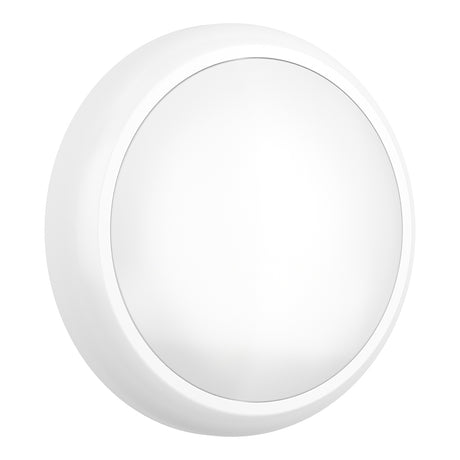


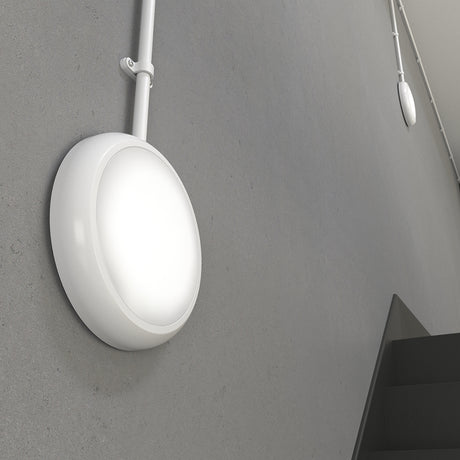


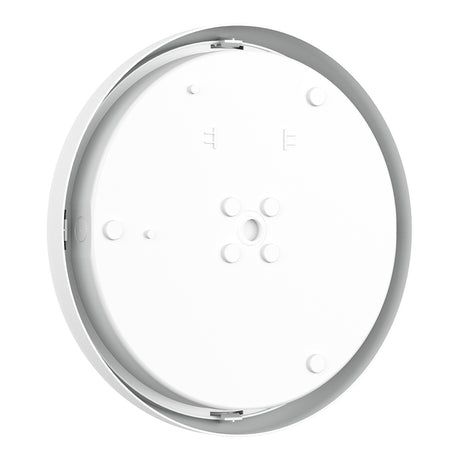


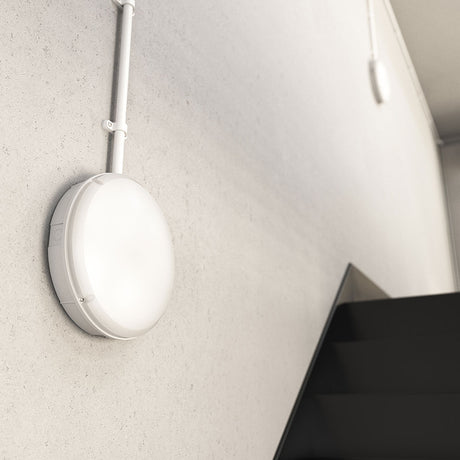


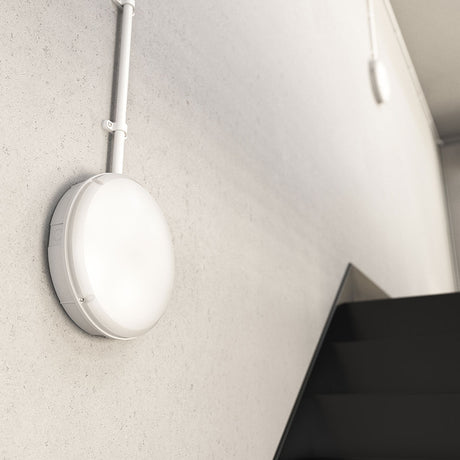


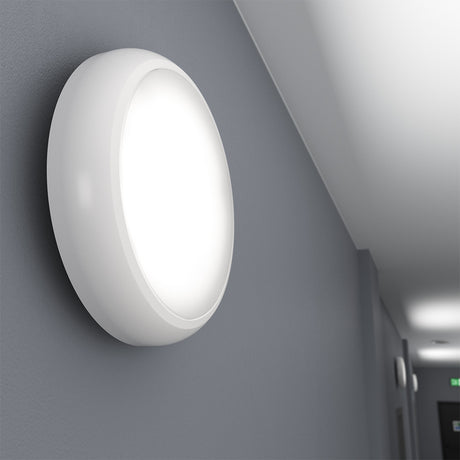


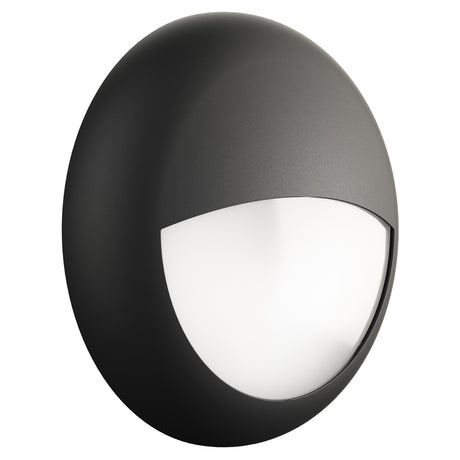


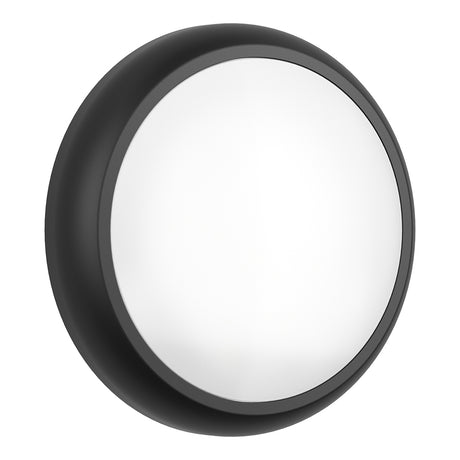
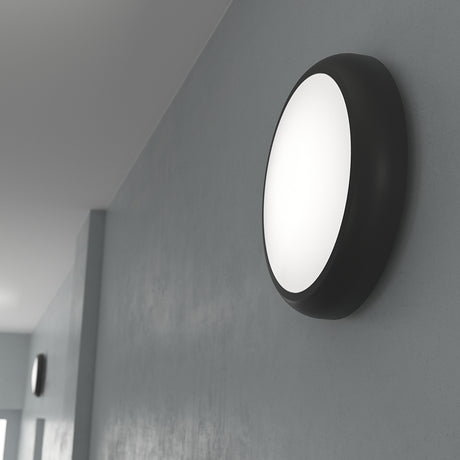


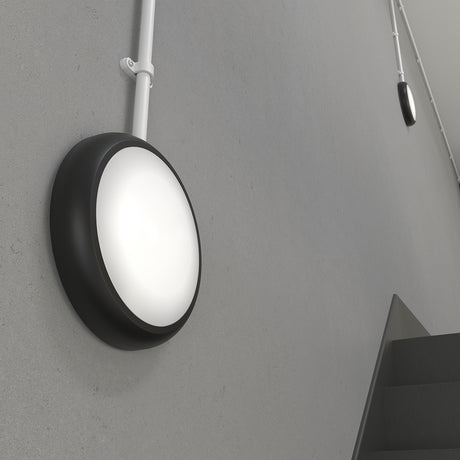
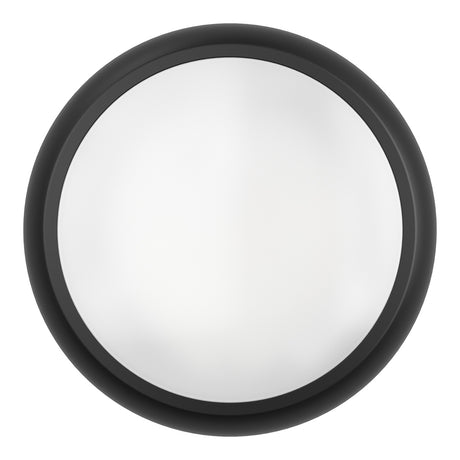
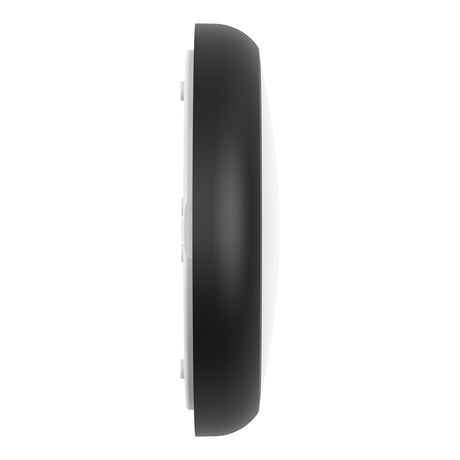





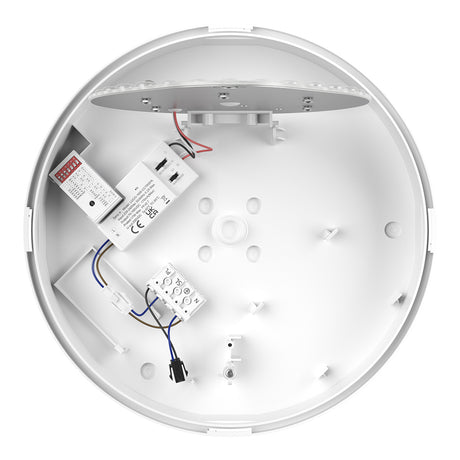


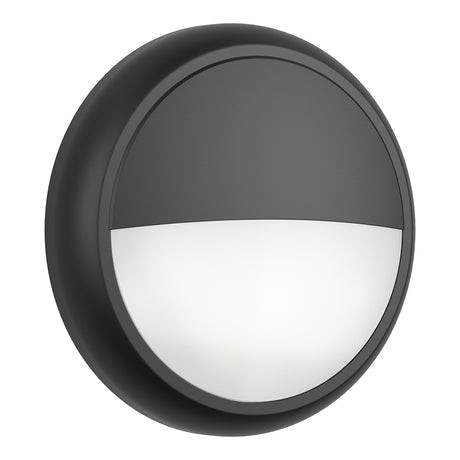
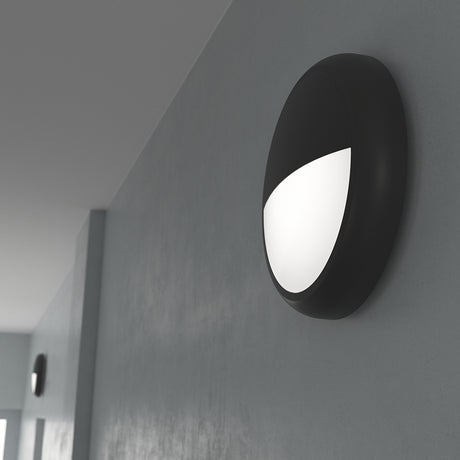

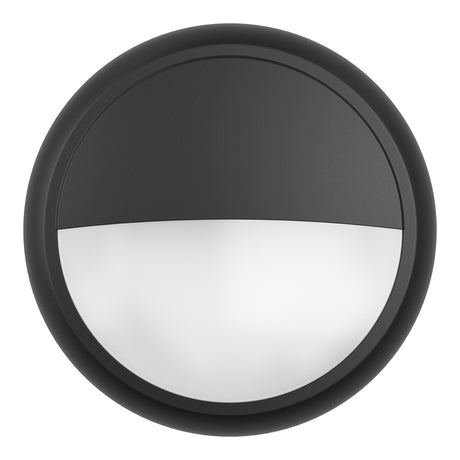
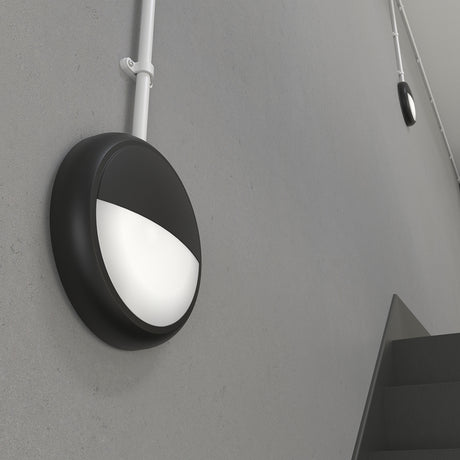


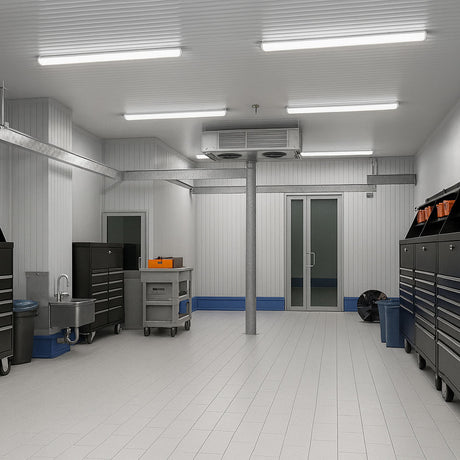


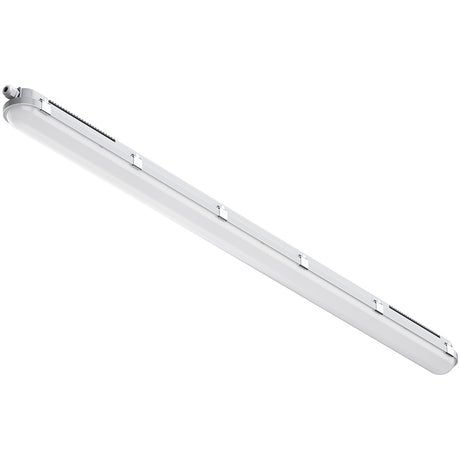


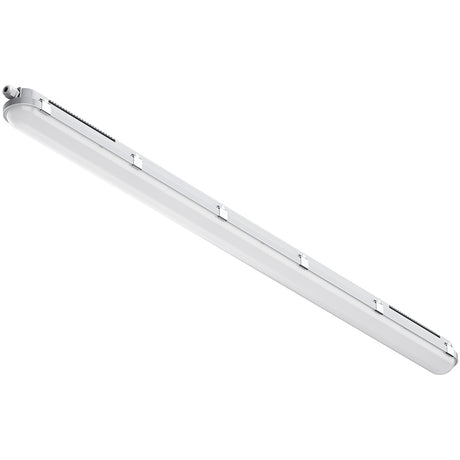


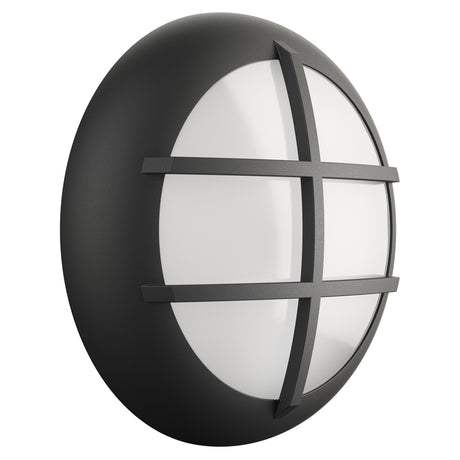


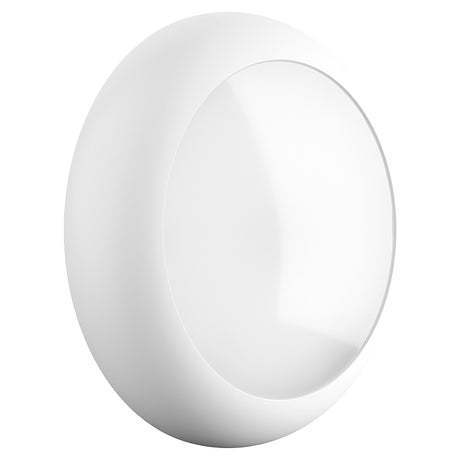


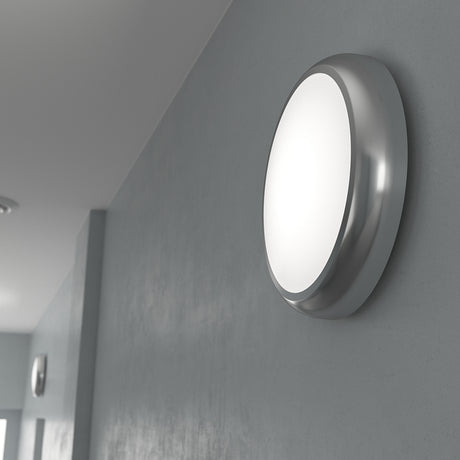


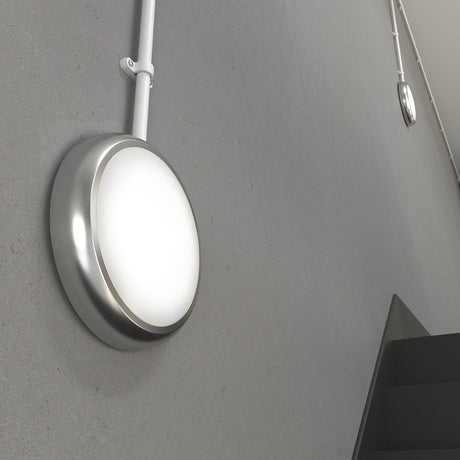


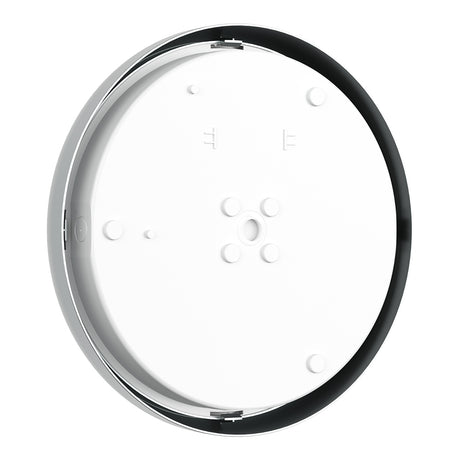
Microwave sensor lights are light fittings that use microwave technology to detect movement when someone is nearby. When movement is detected, the lights will turn on automatically and turn off after a designated period of time or when no further movement is detected which helps to save energy and reduce electricity costs. The microwave sensor in these lights works by emitting low energy microwave signals, and these signals detect the changes caused by moving objects. When motion is detected near these light fittings, the sensor will turn the light on and illuminate the surrounding area.
Microwave sensor lights are commonly used in both outdoor and indoor lighting. Outdoor motion sensor lights are often placed in gardens, driveways or paths to detect movement and provide light when needed and they are also used for security lighting. Indoors, microwave security lights are used in stairwells, hallways, toilets and storage rooms where constant lighting may not be necessary. Sensor lights are often used in offices, business premises and warehouses to save electricity and reduce energy consumption by avoiding lighting unused areas of a building.
One of the advantages of a microwave sensor light is the ability to detect motion through non-metallic barriers such as walls, glass or plastic. This means they can be used in many different locations. Furthermore, they can also be adjusted so the user can change the detection range and the time delay before the light turns on and off. It is also important to remember that light microwave sensor fittings might not be suitable for all situations and may be affected by environmental issues such as temperature changes or interference from other sources. Microwave sensor lights need to be properly installed so that they work correctly and deliver the maximum energy saving potential.
Huge Range of Indoor Motion & Movement Sensor Lighting
At LightHub Direct, we have a huge range of indoor motion and movement sensor lighting. Our range includes batten, bulkhead and wall pack lighting and the sensors can be either corridor function, microwave sensor, photocell sensor or stepping dimming sensor. Our indoor range of lights includes bulkheads with motion sensors which can be used in walkways, stairs, corridors and hallways and they can be installed on either walls or ceilings. They are also suitable for use in bathrooms or toilets in zones one and two as they are rated IP65.
Emergency Bulkheads with Microwave Sensors
Our emergency bulkhead lights with microwave sensors come in a variety of different finishes and with colour temperatures of either 3000K, 4000K, 6500K or switchable. They can also be used in maintained or non maintained mode with a 3 hour emergency setting for safe evacuation. The emergency bulkheads in our range also comply with British Standard regulations BS 5266 and BS EN 1838:2013, and they can be used for emergency lighting in public, commercial and residential settings.
Shop LED Motion Sensor Indoor Lights Online at LightHub Direct
Explore our LED microwave sensor light range at LightHub Direct and discover a lighting solution that works for you. If you need any help or advice on any aspect of our lighting range, please don’t hesitate to contact a friendly and knowledgeable member of our team.
Frequently Asked Questions
What are microwave sensor lights, and how do they detect movement?
What are microwave sensor lights, and how do they detect movement?
Microwave sensor lights send out high-frequency signals and monitor changes in their reflections. Movement alters the returned signal, prompting the light to switch on according to its settings. Their broad detection pattern can suit corridors, stairwells, store rooms and other indoor areas where automatic lighting is useful.
How are indoor LED motion sensor lights different from PIR lights?
How are indoor LED motion sensor lights different from PIR lights?
Microwave sensors detect changes in reflected signals, whereas PIR sensors respond to changes in infrared heat. Microwave detection can be highly responsive and may cover a wide area, while PIR generally needs a clearer line of sight. The best option depends on the room, surface, nearby movement and required detection pattern.
Can microwave sensor lighting detect movement through doors or walls?
Can microwave sensor lighting detect movement through doors or walls?
Some microwave signals can pass through thin, non-metallic materials, so a fitting may occasionally respond to movement beyond the intended room. Construction materials, sensor sensitivity and mounting position all affect this. Correct setup is important in adjoining rooms, corridors and entrances where unwanted activation could be distracting.
Where should indoor motion and movement sensor lighting be installed?
Where should indoor motion and movement sensor lighting be installed?
Indoor motion and movement sensor lighting works well in intermittently occupied spaces such as corridors, stairwells, toilets, cupboards and communal areas. Position the fitting to cover likely approaches without monitoring unnecessary spaces. Check mounting height, detection range, hold time and ambient-light settings before installation.
Can emergency bulkheads be fitted with microwave sensors?
Can emergency bulkheads be fitted with microwave sensors?
Yes, some emergency bulkheads also include a microwave sensor for normal automatic operation. The emergency function remains governed by the fitting's wiring, battery and rated duration. Confirm whether the model is maintained or non-maintained and have the emergency-lighting layout specified and commissioned by a competent person.
New arrivals ✨
View all-

Compact LED Driver Power Supply for LED Tape | 24V 100W | JB6 Junction Block
In stock (116 units)£64.95Unit price /Unavailable -

Compact LED Driver Power Supply for LED Tape | 24V 60W | JB6 Junction Block
In stock (173 units)£26.95Unit price /Unavailable -

Compact LED Driver Power Supply for LED Tape | 24V 30W | JB6 Junction Block
In stock (221 units)£19.95Unit price /Unavailable -

Compact LED Driver Power Supply for LED Tape | 24V 15W | JB6 Junction Block
In stock (307 units)£12.95Unit price /Unavailable -
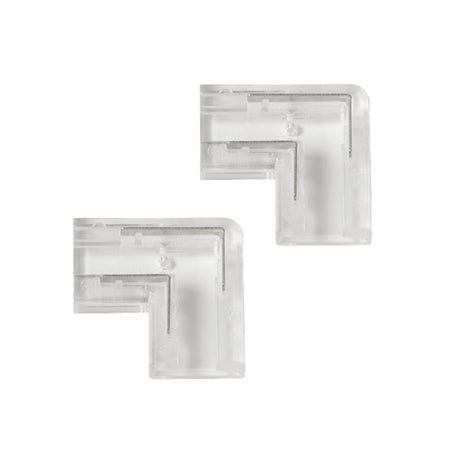
Corner Connector for 8mm LED COB Tape | Accessory
In stock (546 units)£1.95Unit price /Unavailable -

2m Power Input Lead for 8mm COB LED Tape Accessory
In stock (1235 units)£3.95Unit price /Unavailable -
-
-
-


