


LED Kitchen Under Cabinet Link Strip Light | 3W 330lm | IP20 | Warm to Cool White LED | 224mm
In stock (270 units)£9.95£12.95Unit price /Unavailable-
LED Kitchen Under Cabinet Link Strip Light | 5W 550lm | IP20 | Warm to Cool White LED | 303mm
In stock (472 units)£10.95£14.95Unit price /Unavailable-
LED Kitchen Under Cabinet Link Strip Light | 8W 880lm | IP20 | Warm to Cool White LED | 526mm
In stock (909 units)£11.95£16.95Unit price /Unavailable-
LED CCT Kitchen Under Cabinet Link Strip Light | 16W 1750lm | IP20 | Warm to Cool White LED | 1159mm
In stock (286 units)£17.95£21.95Unit price /Unavailable-
Surface Wedge Under Cabinet Light | LED 1.5W | IP44 | 4000K Neutral White | Satin Nickel
Very low stock (5 units)£14.95£19.95Unit price /Unavailable-
- StandardVery low stock (5 units)£24.95
£26.95Unit price /Unavailable -
- PopularTrade Trusted
SPEY | Quad-Colour CCT | LED Tilt Adjustable Fire Rated Downlight | Dimmable 5W 580lm | IP65 | White
In stock (150 units)£12.95£13.95Unit price /Unavailable -
- PopularTrade Trusted
ELDON Plaster-in Trimless Round Downlight | Adjustable | GU10 | White
In stock (489 units)£12.95£16.95Unit price /Unavailable -
- PopularIn stock (3733 units)£8.95
£10.95Unit price /Unavailable -
- PopularIn stock (488 units)£10.95
£12.95Unit price /Unavailable -
- In stock (282 units)£10.95
£12.95Unit price /Unavailable -
- In stock (1011 units)£10.95
£12.95Unit price /Unavailable -
- In stock (1021 units)£10.95
£12.95Unit price /Unavailable -
- Low stock (14 units)£14.95
£16.95Unit price /Unavailable -
Fixed Recessed Downlight Fitting | GU10 | IP20 | White
In stock (4563 units)£3.99£4.15Unit price /Unavailable-
- PopularTrade Trusted
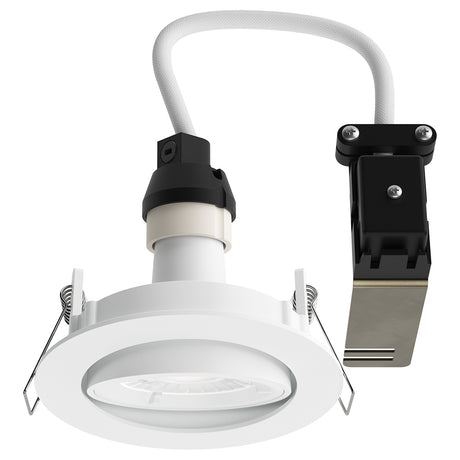
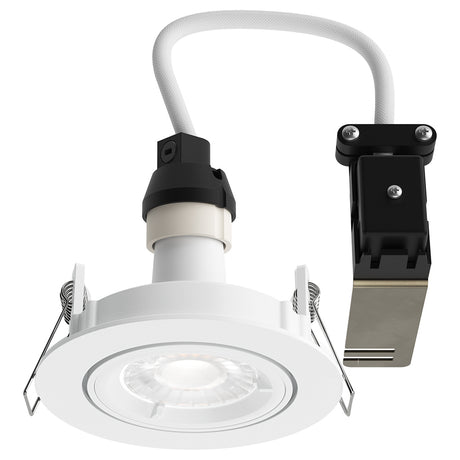
Adjustable Tilt Recessed Downlight Fitting | GU10 | IP20 | White
In stock (506 units)£4.95£5.95Unit price /Unavailable -
Fixed Recessed Downlight Fitting | GU10 | IP20 | Brushed Chrome
In stock (634 units)£3.95£4.50Unit price /Unavailable-
- Trade Trusted
Adjustable Tilt Recessed Downlight Fitting | GU10 | IP20 | Brushed Chrome
In stock (62 units)£5.95£6.95Unit price /Unavailable -
Fixed Recessed Downlight Fitting | GU10 | IP20 | Polished Chrome
In stock (307 units)£3.95£4.50Unit price /Unavailable-
- Trade Trusted
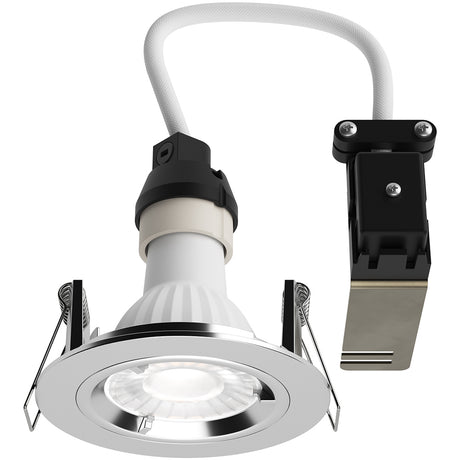
Adjustable Tilt Recessed Downlight Fitting | GU10 | IP20 | Polished Chrome
In stock (28 units)£5.95£6.95Unit price /Unavailable -
- In stock (18 units)£14.95
£16.95Unit price /Unavailable -
- In stock (33 units)£19.95
£22.95Unit price /Unavailable -
- Very low stock (3 units)£14.95
£16.95Unit price /Unavailable -
- In stock (19 units)£14.95
£16.95Unit price /Unavailable -















Frequently Asked Questions
What is kitchen under-cabinet lighting used for?
What is kitchen under-cabinet lighting used for?
Kitchen under-cabinet lighting brightens the worktop below wall units, where ceiling lights can leave shadows. It can provide practical task light for food preparation and a softer layer of light in the evening. Aim for an even spread without glare from seated or standing positions.
Which LED kitchen unit lights are best for my cabinets?
Which LED kitchen unit lights are best for my cabinets?
The best format depends on the cabinet layout and the effect required. Linear fittings and LED tape can create a continuous run, while puck lights produce separate pools of light. Compare output, colour temperature, fitting depth, link leads, driver capacity and whether individual fittings will remain visible.
Where should under-cupboard lights be positioned?
Where should under-cupboard lights be positioned?
Position under-cupboard lights near the front of the cabinet to spread light across the worktop and reduce shadows. Keep the light source or diffuser out of direct view where possible. Corners, joins and reflective splashbacks may need extra planning to maintain an even appearance.
Are kitchen under-counter lights hardwired or plug-in?
Are kitchen under-counter lights hardwired or plug-in?
Kitchen under-counter lights may be hardwired, connected to a driver or supplied through a plug, depending on the system. Check the voltage, driver load, cable route and switching method before buying. Mains wiring and connections in a kitchen should be completed by a competent person.
What are kitchen plinth lights, and should they match the cabinet lighting?
What are kitchen plinth lights, and should they match the cabinet lighting?
Plinth lights are fitted low down in a cabinet plinth to create small points or a wash of light across the floor. They do not need to match the fitting shape above, but using a compatible colour temperature helps the kitchen lighting feel consistent.